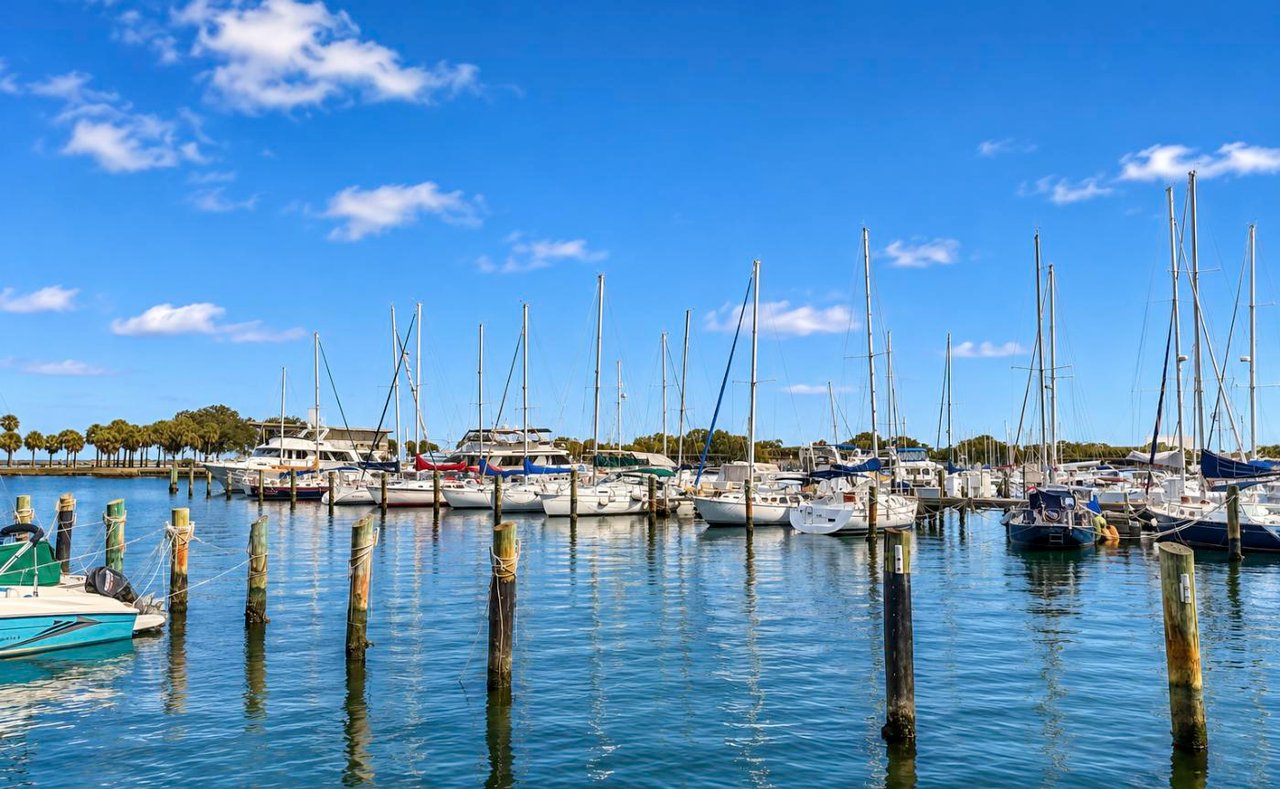
When you buy a waterfront home in Pinellas County, you're not just buying a house. You're buying a route to the Gulf. Two homes on the same canal can be worlds apart for a boater if one sits behind a low fixed bridge. Here's how I help buyers choose a home that fits the boat they own today and the one they might want tomorrow.
Open water vs. bridge-restricted: what it means
Open water (often listed as "no fixed bridges") means there's nothing between your dock and the Intracoastal or Gulf that limits your boat's height. You can bring home a sailboat, a sportfish with a tower or a large cruiser.
Bridge-restricted means at least one fixed bridge sits on your route. Your boat's air draft, its height above the waterline with antennas, T-top or tower, has to clear that bridge at high tide. Some bridges also sit between you and open water as drawbridges, which open on signal or on a schedule.
The bridges that matter in Pinellas
Along the Intracoastal Waterway, the major causeway bridges set the limits:
Bridge | Type | Vertical clearance |
|---|---|---|
Dunedin Causeway | Drawbridge, opens on signal | About 24 ft closed |
Clearwater Memorial Causeway | High fixed span | About 74 ft |
Clearwater Pass Bridge | High fixed span | About 74 ft |
Belleair Causeway | High fixed span | About 75 ft |
Indian Rocks Beach Bridge | Drawbridge, opens on signal | About 25 ft closed |
Park Boulevard Bridge | Drawbridge, opens on signal | About 20 ft closed |
Treasure Island Causeway | Drawbridge | About 21 ft closed |
Pinellas Bayway structures A, B and C | Fixed | About 18, 11 and 65 ft |
Published clearances come from navigation guides and can vary with tide, so always confirm with current charts and the clearance boards on the bridge itself.
The takeaway: the Clearwater Beach and Sand Key area is surrounded by high fixed bridges and sits right on Clearwater Pass, so most boats can reach the Gulf quickly. Farther south, more of the route runs through drawbridges, which work fine but add time.
The bridges that don't show up in the listing
The causeways are easy to look up. The ones that surprise buyers are the small neighborhood bridges over canals and bayous. Some of these are low fixed bridges with just a few feet of clearance, and they decide what boat you can keep behind the house. A listing that says "deep water" or "boater's paradise" doesn't tell you any of this.
Before you buy, I trace the route from the dock to open water on the chart and in person, and note every bridge, its clearance and every no-wake zone on the way.
How to match a home to your boat
- Know your air draft. Measure from the waterline to the highest fixed point, with antennas and tower included. Know whether you can fold or lower anything.
- Add a margin for tide. Clearances are measured at a reference water level. A higher tide means less room.
- Know your draft too. Low-tide depth at the dock and along the canal matters as much as height.
- Time the run. Five minutes to the Pass and forty minutes of idle speed are very different ways to spend a Saturday.
- Think about resale. Open-water homes appeal to every boater, while bridge-restricted homes appeal mainly to owners of smaller boats. That usually shows up in price and how fast a home sells.
Is a bridge-restricted home a bad buy?
Not at all. If you run a center console, a deck boat or a pontoon, a home behind a 10- or 12-foot bridge can be a great value, often for much less than a comparable open-water home. The key is buying it with your eyes open, knowing your boat fits today and accepting that a future boat may not.
The bottom line
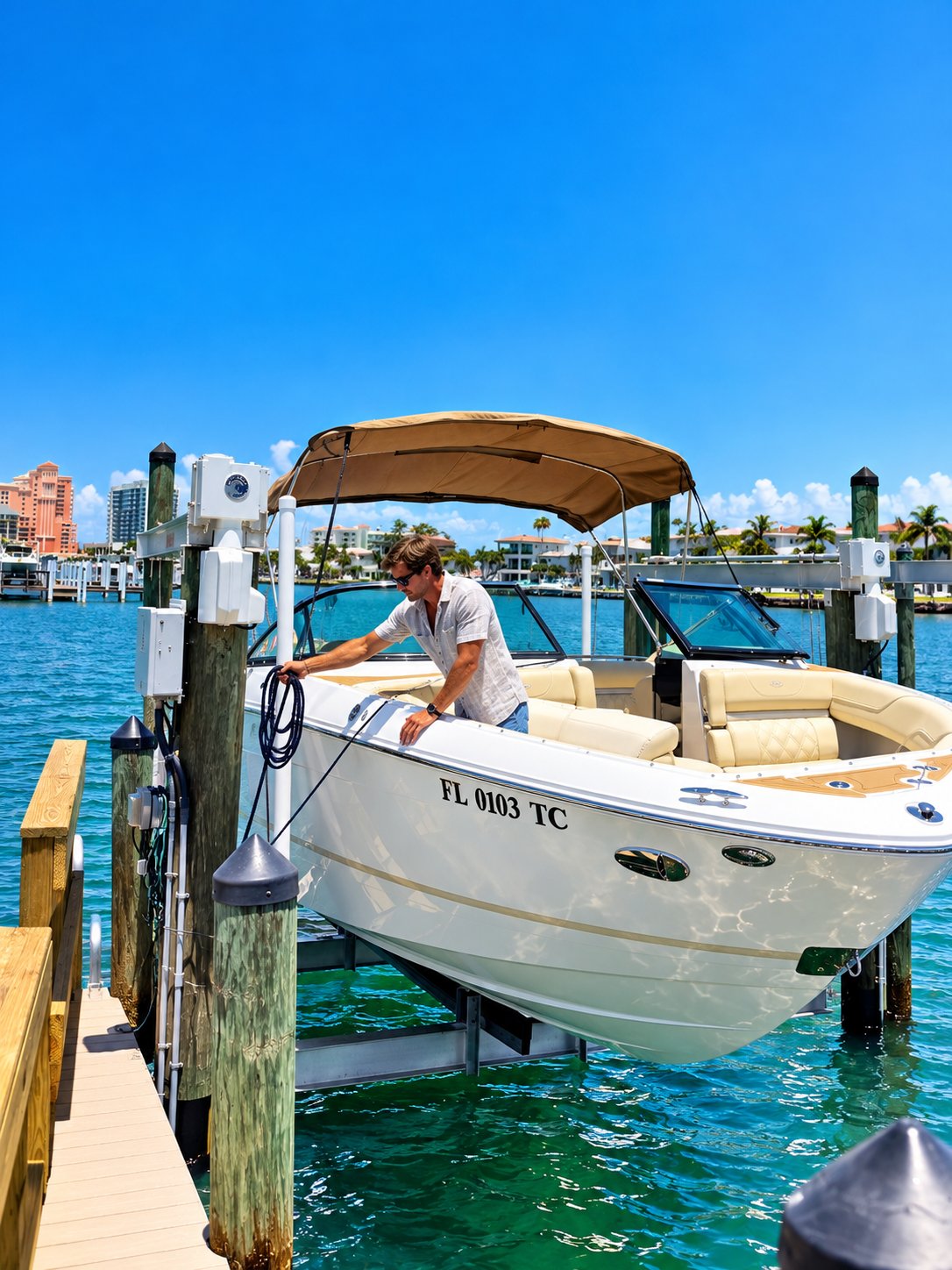
I keep my own boat on a lift on Clearwater Beach and run out through Clearwater Pass most weekends, so this is the first thing I check for my buyers. Tell me what you run, or what you dream of running, and I'll show you homes where it fits.
Shopping for a home on the water? Call or text me at 727-944-8888, or get my free Waterfront Buyer's Guide.
Andrew Cherry, Broker Associate, Coldwell Banker Realty. Bridge clearances are approximate and for planning only. Always verify with current NOAA charts and on-site clearance boards.